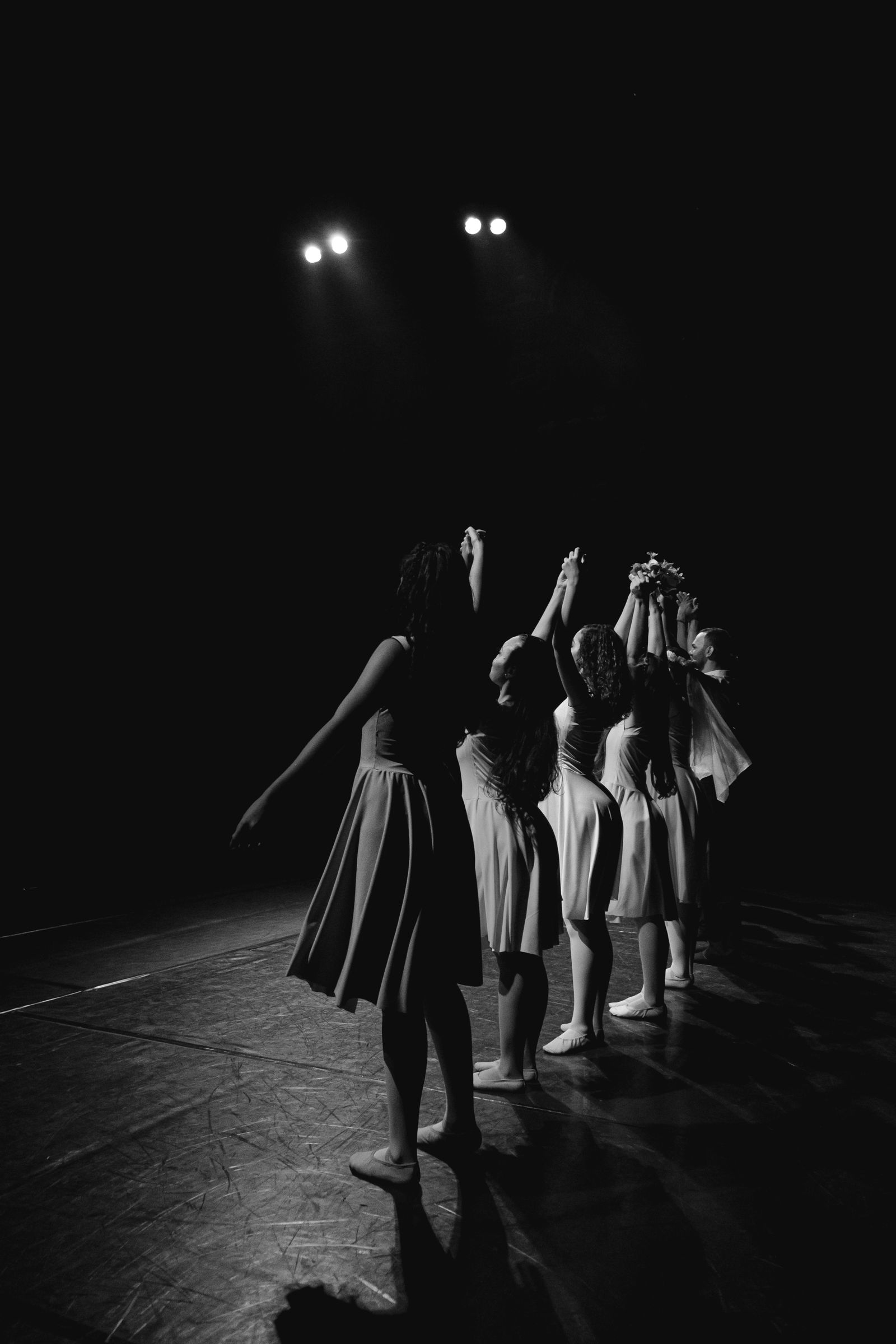
Ballet looks effortless, and that is the whole point — hundreds of years of craft engineered to hide the effort. Every soaring leap you see on our stage is built from thousands of quiet pliés at the barre, and that discipline is exactly why ballet remains the finest foundation any dancer can have, whatever style they end up loving.
Technique Is a Language
Positions, port de bras, turnout — ballet’s vocabulary is precise because precision is what lets dancers from different countries rehearse together in an afternoon. When our students learn the terms, they are learning to speak dance fluently: a tendu means the same thing in our studio as it does on the world’s great stages.
But vocabulary without poetry is just spelling. From the earliest grades we ask dancers not only how a step works, but what it says. Is this arabesque reaching or letting go? Does this adagio breathe or hold its breath? Artistry is a muscle, and we train it alongside turnout.
How to Begin (at Any Age)
Start with two classes a week: one technique session for alignment and strength, one creative or repertoire session for expression. Expect the first month to feel like learning to walk again — that is normal, and it passes faster than anyone believes.
Wear something you can move in, bring patience, and leave perfectionism at the door. Our adult beginners perform in the studio showcase within their first year, and the applause they get could power the building.