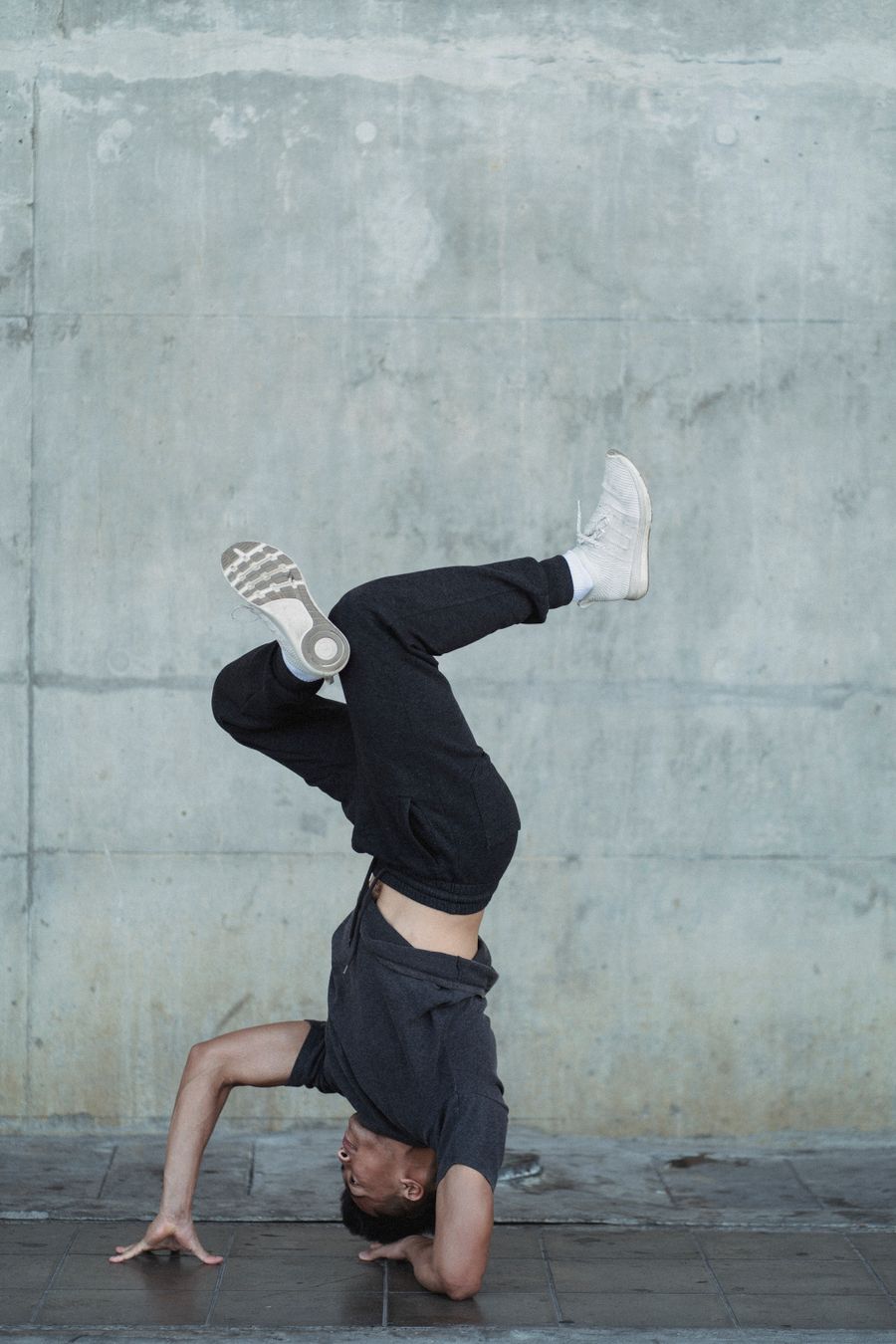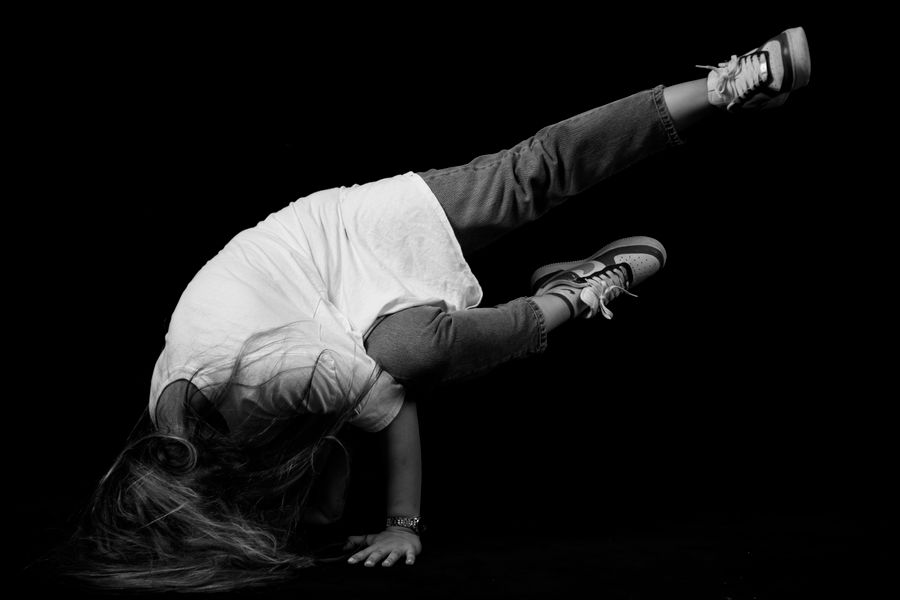
A teenager in a bedroom can now learn from the world’s best battlers, post a freestyle at midnight, and wake up to feedback from three continents. Digital culture didn’t just change how dance spreads — it changed what dance is. Short formats reward clean pictures and instant impact; the camera became a second audience every dancer performs for.
What the Camera Gives
Filmed progress reels — which we shoot monthly in every program — are brutally honest teachers. Dancers spot timing gaps and unfinished lines they can’t feel in the mirror, and watching months of clips back is the fastest motivation we know. Online tutorials, meanwhile, let students preview choreography before class and drill foundations between sessions.
Social video has also democratized opportunity. Casting directors scroll feeds; our crew members have booked commercial work from clips filmed in our own studios during open hours.
What Only the Room Gives
And yet: no comment thread replaces a cypher circle, no tutorial corrects your alignment like an instructor’s hand on your shoulder, and no livestream reproduces the pressure — and pride — of a real stage. Our rule of thumb: use digital for volume, use the studio for truth.
Train with videos during the week, then bring what you learned to Friday cypher and let a live crowd tell you what survived. That loop — screen to floor to stage — is how modern dancers are really made.